40%
Long-term Outcomes
Within 40 years of the initial surgery, a significant proportion of patients experience major complications including heart failure, arrhythmias, and the need for transplantation.
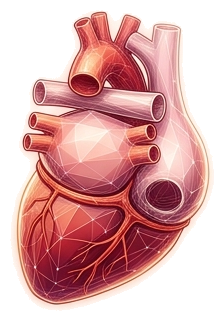
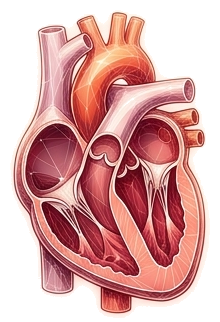
Exploring outcomes, challenges, and patient-centered solutions for single-ventricle heart disease.
The Fontan procedure is a palliative surgical operation performed on children born with single-ventricle heart defects — conditions where only one of the heart's two pumping chambers is functional. First performed in 1971, the surgery redirects venous blood flow directly to the pulmonary arteries, bypassing the need for a ventricular pump.
While the Fontan circulation has dramatically improved survival for these patients, it creates a unique physiology that requires lifelong monitoring. The single ventricle must work harder to support the entire circulatory system, leading to a range of long-term complications that affect multiple organ systems.
The procedure typically follows a staged approach: initial neonatal palliation, superior cavopulmonary connection, and finally the total cavopulmonary connection. Each stage reshapes the heart and vessels to establish passive pulmonary blood flow while maintaining systemic output.
Because the pulmonary circuit is driven without a sub-pulmonary ventricle, Fontan patients experience elevated venous pressure, lower cardiac reserve, and higher risk for liver, kidney, and lymphatic sequelae. That makes monitoring, research, and patient-centered care essential for every life stage.
Norwood, Glenn, and Fontan operations gradually reconfigure circulation to optimize single-ventricle physiology.
Blood reaches the lungs by pressure gradients rather than a pumping chamber, making low resistance and vessel health critical.
Regular imaging, biomarker testing, and exercise evaluation are key to detecting silent organ stress before it becomes a crisis.
Dr. Francis Fontan performs the first successful total cavopulmonary connection in a patient with tricuspid atresia.
Dr. William Glenn develops the superior cavopulmonary anastomosis, creating the staged approach to Fontan palliation.
Fontan procedure becomes standard of care for single-ventricle defects, with survival rates improving dramatically.
Introduction of extracardiac conduit technique reduces arrhythmia risk and improves long-term outcomes.
Growing recognition of adult Fontan patients' unique needs leads to specialized clinics and research programs.
Advanced imaging, biomarkers, and genetic testing enable personalized monitoring and intervention strategies.
Focus on quality of life, mental health, and long-term outcomes drives innovative care models and therapies.
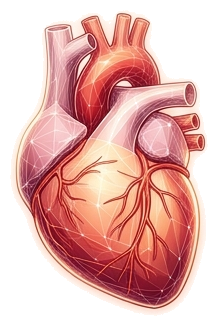
Despite remarkable surgical advances, patients living with Fontan circulation face significant long-term challenges that demand innovative research, earlier intervention, and deeper patient-centered care.
Within 40 years of the initial surgery, a significant proportion of patients experience major complications including heart failure, arrhythmias, and the need for transplantation.
The single ventricle faces 2–3 times the normal workload, leading to progressive dysfunction. Current imaging and biomarker strategies often detect deterioration too late for effective intervention.
Up to 65% of adult Fontan patients report reduced exercise capacity, chronic fatigue, and psychosocial challenges that significantly impact their daily lives and mental health.
Chronic venous hypertension in Fontan circulation places ongoing stress on the liver and kidneys, driving a need for earlier biomarker screening and organ-protective therapies.
Peer-reviewed publications advancing our understanding of single-ventricle physiology and patient outcomes.
This study examined the relationship between Fontan circulation and plasma bile acid profiles, revealing systemic metabolic disruption as a key driver of multi-organ dysfunction in single-ventricle patients.
Read PaperDrawing parallels between Fontan physiology and cirrhotic cardiomyopathy, this work explores how elevated bile acids contribute to diastolic dysfunction and impaired cardiac reserve in the Fontan population.
Read PaperA lipidomic analysis of Fontan patients demonstrating that plasma lipid profiles are altered in ways that correlate with cardiovascular functional reserve, offering novel biomarkers for monitoring disease progression.
Read PaperPresents the design of the MYSTIC trial, a prospective study evaluating whether pharmacologic bile acid reduction with colesevelam can improve multi-system outcomes in patients with Fontan circulation.
Read PaperThis review reframes Fontan pathophysiology beyond hemodynamic preload dependency, highlighting metabolic dysfunction and mitochondrial stress as underappreciated contributors to exercise intolerance and organ injury.
Read PaperExamines how the combination of bile acid accumulation and vitamin D deficiency creates a compounding pathophysiologic burden in Fontan patients, with implications for hepatic, cardiac, and skeletal health.
Read PaperA comprehensive review of hemodynamic catheterization in Fontan patients, critically evaluating current techniques, their interpretive limitations, and the need for standardized assessment protocols.
Read PaperA prospective study demonstrating that non-invasive external ventilation can acutely augment pulmonary blood flow and cardiac output in adult Fontan patients, with implications for rehabilitation and acute management.
Read PaperDescribes a clinically underrecognized high-output phenotype in Fontan patients, characterizing its hemodynamic features and distinguishing it from classical low-output Fontan failure.
Read PaperReports the successful derivation of an induced pluripotent stem cell line from a Fontan patient, providing a translational platform for modeling single-ventricle pathophysiology in vitro.
Read PaperA multinational survey revealing significant heterogeneity in how clinicians define Fontan failure and thresholds for intervention, underscoring the urgent need for consensus guidelines in Fontan management.
Read PaperAdvocates for a national registry framework and a multi-system perspective on Fontan disease, emphasizing that hepatic, renal, lymphatic, and cardiac pathology must be tracked longitudinally together.
Read PaperA side-by-side comparison of Fontan-associated cardiac dysfunction and cirrhotic cardiomyopathy, identifying shared mechanisms of venous hypertension, bile acid signaling, and myocardial stiffness.
Read PaperExamines the systemic barriers to Fontan research — including disease rarity, phenotypic heterogeneity, and funding gaps — and proposes collaborative and registry-based strategies to close the evidence deficit.
Read PaperExplores the central paradox of Fontan palliation: dramatically improved early survival paired with a growing burden of late multi-organ complications, calling for a shift toward proactive long-term surveillance.
Read PaperTraces the pathophysiologic cascade from chronic venous hepatic congestion to progressive ventricular stiffness in Fontan patients, proposing mechanistic targets for intervention.
Read PaperA pilot clinical study assessing the safety and feasibility of structured yoga as a rehabilitation modality in adult Fontan patients, with preliminary data on exercise capacity and quality of life outcomes.
Read PaperInvestigates the gut-cardiac axis in Fontan patients by profiling microbiome-derived short and branched chain fatty acids, revealing dysbiotic patterns that may contribute to systemic inflammation and hepatic injury.
Read PaperCharacterizes the heterogeneous trajectory of hepatic fibrosis in Fontan patients, identifying time from surgery and biochemical markers as key modifiers of liver injury severity and progression.
Read PaperProfiles oxylipin metabolism in Fontan circulation, finding an omega-6/omega-3 imbalance and disruption of key lipid-resolving enzymes that may underlie chronic vascular inflammation and end-organ injury.
Read PaperBridging the gap between medical research and digital accessibility.
Dr. Shah is one of Canada's leading interventional cardiologists with a specialized focus on adult congenital and structural heart disease, including patients living with Fontan circulation. Based at St. Boniface Hospital in Winnipeg, he holds the distinction of establishing Western Canada's first invasive hemodynamic evaluation program, a critical tool in understanding and managing the unique cardiovascular physiology of the Fontan patient.
His published research directly addresses the Fontan population. He has contributed to landmark work on augmenting pulmonary blood flow and cardiac output in late Fontan palliation, and has authored a publication on the complexities of permanent pacing in Fontan circulation, a notoriously difficult clinical challenge. He has also published on transcatheter valve implantation in the modified Björk-Fontan procedure, offering interventional solutions where surgery is high-risk or not feasible.
Trained across three countries: India, the United Kingdom (King's College London, MRCP), and Canada (Toronto General Hospital).
Aman Shah is a computer science student at the University of Toronto, where his studies sit at the intersection of software engineering, artificial intelligence, and healthcare technology. A software engineer by trade and a hobbyist game developer by passion, he brings both rigour and creativity to every system he builds.
His work extends well beyond the classroom. With over 450,000 views and 6,500 subscribers on YouTube, Aman has built a reputation for making technically complex ideas genuinely accessible to a broad audience, a sensibility that shaped every design decision on this platform.
As co-author and developer, he worked alongside his father to transform years of peer-reviewed research into a clear, interactive, and performant digital experience. His focus on data visualization and structural clarity ensures that the research reaches and resonates with the Fontan community in a meaningful way.